





Background/Story
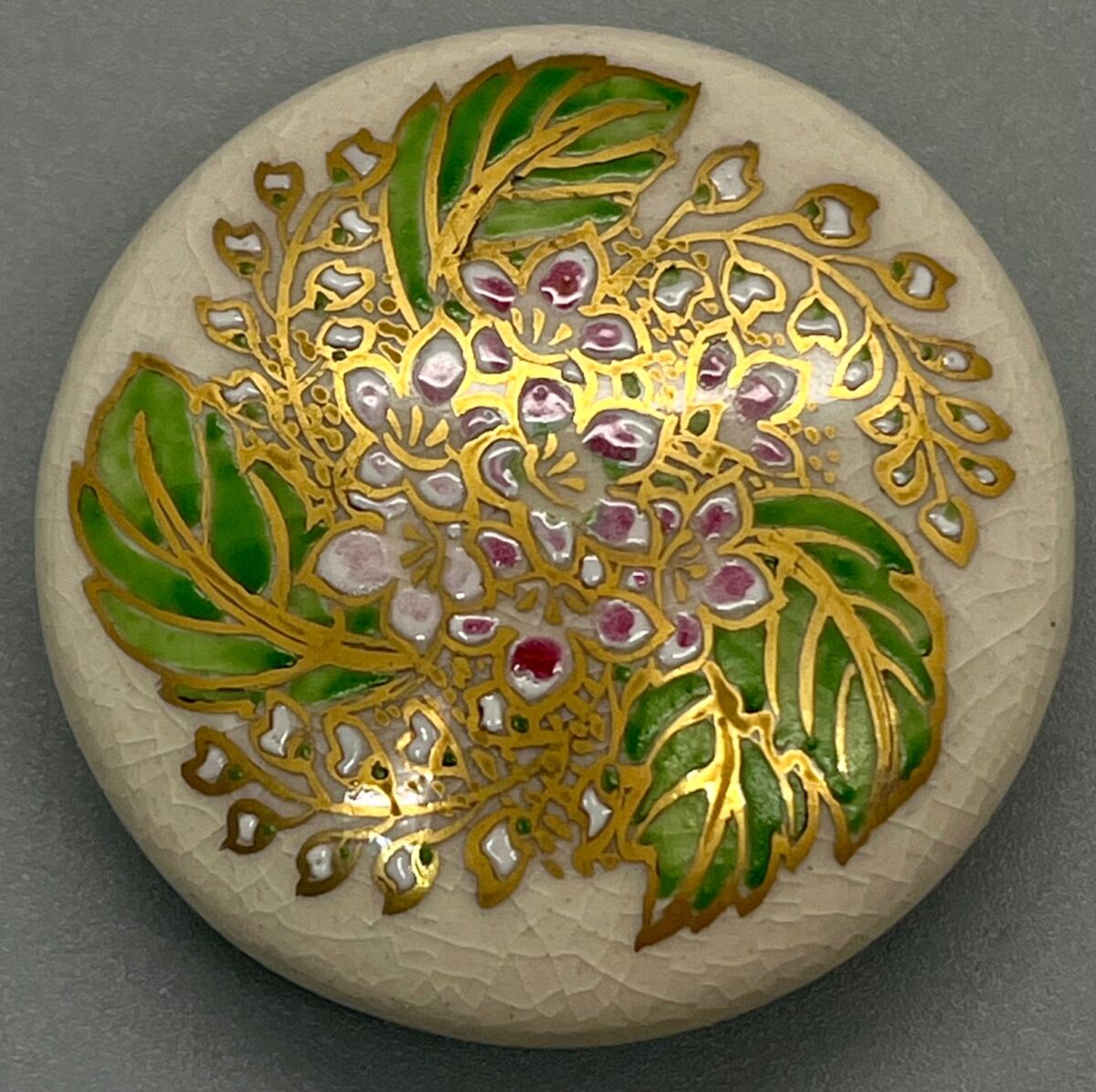
This button features the blossom of the Paulownia tomentosa—known in Japan as the kiri, or Princess Tree.
In Japanese tradition, the kiri (the Princess Tree) is tied to an old custom: when a daughter is born, a tree is planted. By the time she was ready to marry, the fast-growing tree would mature and its wood—lightweight, insect-repelling, and naturally adjusting to humidity—would be crafted into a high-quality tansu (dowry chest). This symbolism of protection, prosperity, and familial honor made the kiri a motif in family crests and Japanese art.
The Paulownia crest (kiri-mon) is associated with the Japanese government and was once used by emperors, embodying the quiet dignity of imperial heritage, the hope for a young woman’s future, and the beauty of nature in full bloom.

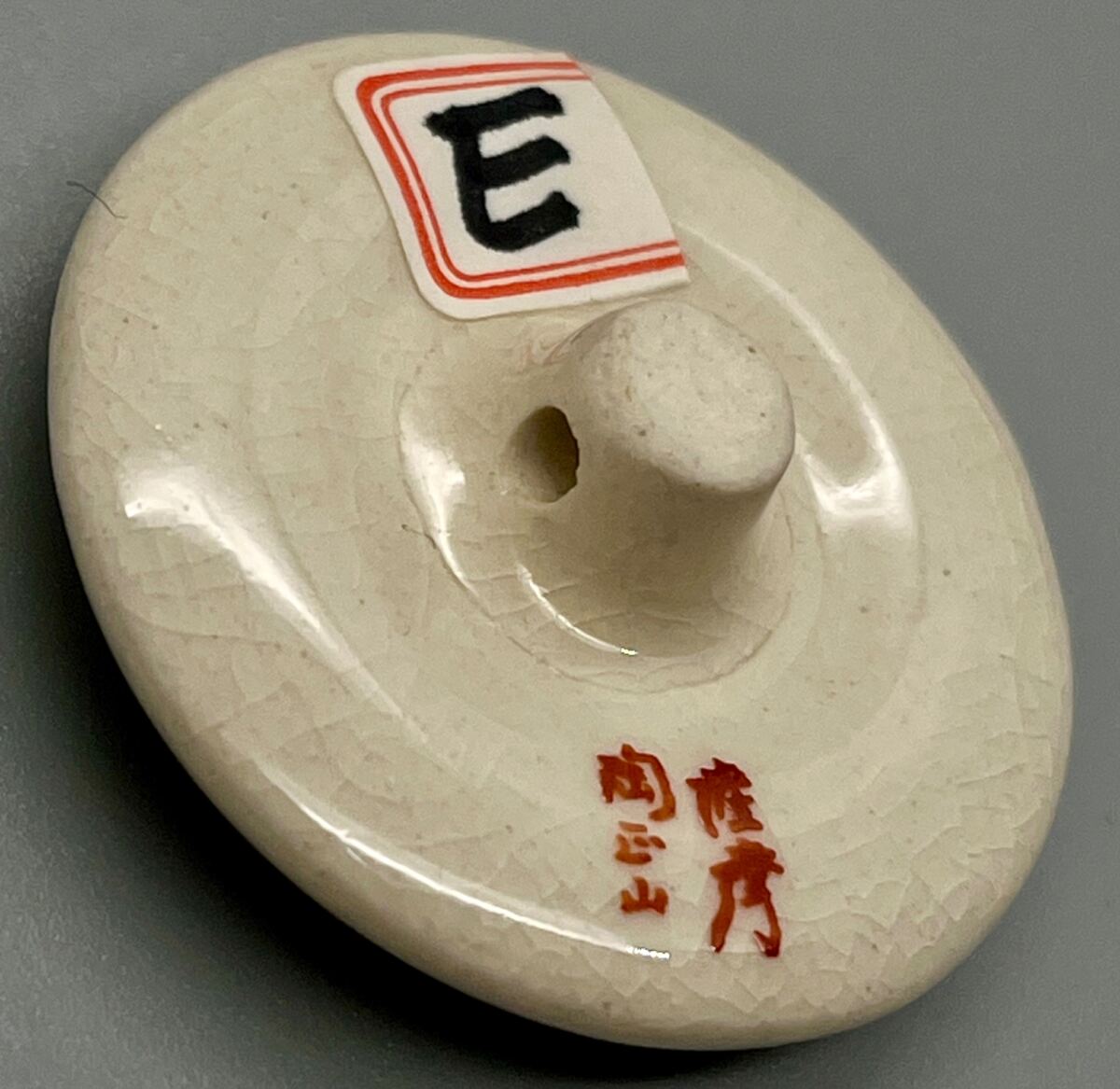
- Toshozan is featured in the 2025 July issue of the Button Aerogramme.
- Click here to view other Toshozan buttons in the In-Depth Study page.