


Background/Story

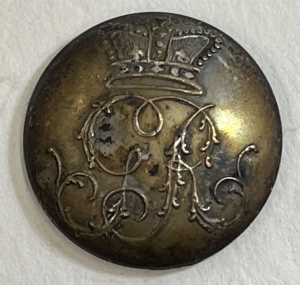
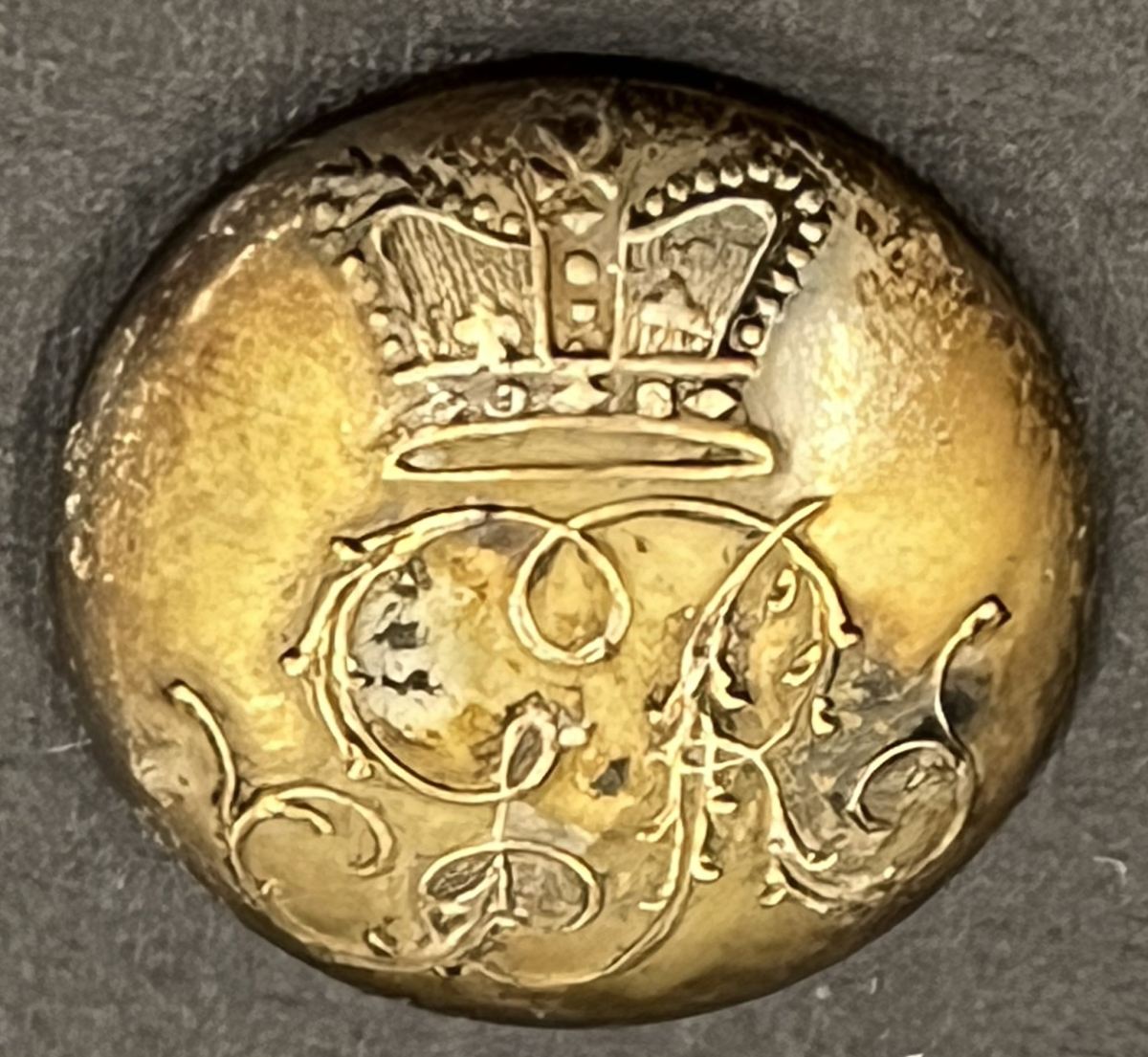
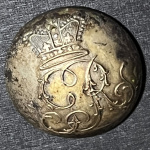
This button came identified by the late Gene O’Brien as belonging to the British King George III.
The young prince lost his father at age 12 and ascended to the throne in 1760 at age 22. He had to wage many bitter wars to suppress the insurgence in his thirteen American colonies.
“Today, we have a much more rounded view of George III, as a busy and thoughtful monarch. He devoted himself to his wife and thirteen surviving children and took his duties as king seriously, striving for unity in politics, advancement in science and refinement in culture.”
– by Prof. Arthur Burns, on The Royal Mint

The king’s fixed living expenses, subject to approval by Parliament, included royal residences, salaries for the royal household staff. This button could have belong to any one wearing livery at the Court at that time, including pages, footmen, equerries, etc.. Although the monarch’s financial situation became a matter of political controversy and scrutiny during his reign, King George III was well known as a supporter of institutions to alleviate poverty and assist the needy with his own funds and the influence of his position.
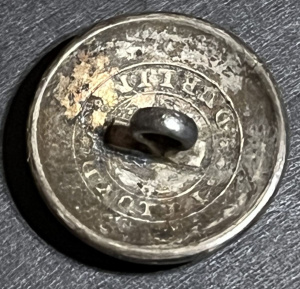
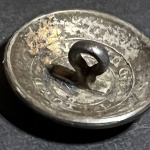
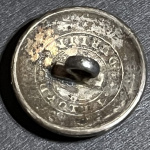
Button back marked “I (J) LLOYD DUBLIN”
In 1801, the Acts of Union united Great Britain and Ireland, and the king’s royal authority expanded.
John Lloyd was a buttonmaker in Dublin from 1768-1821. During the middle of that tenure (1790s for sure) he was partnered with Joseph Ridley, a woolen draper. George III looks like a solid recommendation to me.
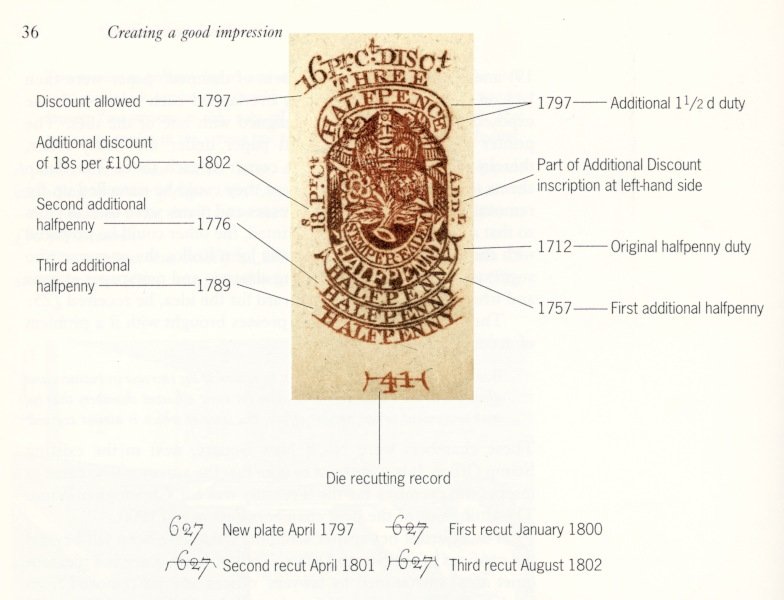
Watch the video (https://youtu.be/rLRgGZvzA0o?t=516 on YouTube or Duck Player) and learn about the tax stamp bearing the royal cypher of George III on a 1786 British document.
Thanks to Bob Mullins on the Livery Buttons and Badges group on Facebook for his detective work dating this back mark!
Tax Stamps
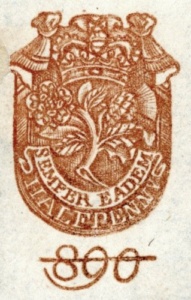
The King maintained a firm stance in asserting British authority and suppressing the American rebellion. He approved measures such as the Stamp Act of 1765, which imposed taxes on various documents and printed materials in the colonies. The newspaper tax discouraged vocal criticism of the government, as publishers were required to obtain government approval and pay the tax. It was viewed as controlling the press and curbing the spread of potentially subversive or controversial ideas. The American Declaration of Independence of 1776, celebrated on July 4th, directly criticized this king for the absolute Tyranny committed against the colonies.
St. George Slaying the Dragon
A token with L&R monogram was issued in 1794 by Lloyd & Ridley as a substitute for official government currency which was in short supply. They rented rooms in the same house on Castle Street in Dublin as of 9/29/1816. Their landlord at the time appears to be the old Church of St. George. The new Church of St. George, built in 1802 is about a half-hour walk from Castle Street. A good segue here, to Joy Journey’s WRBA article about buttons depicting St. George. To the faithful worshippers of St. George, who or what was the dragon to be tamed?
The two names don’t show up in the 1862 directory, but 2 tailors, a draper, a trunk maker, leather sellers and warehouses, shoe & boot makers, tobacconist, carvers & gilders, and tea, wine and spirit merchants are on the same street.
Log in to view more content and related videos about this button.
The royal cypher (monogram) on this button was confirmed as that of George III by the Curator of Decorative Arts at the Royal Collection Trust in the UK . . .
... member login